Turkish Coffee, Espresso and Filter: Three Different Worlds
Put the same coffee bean into three different methods and you get three completely different drinks. Turkish coffee, espresso and filter — three worlds apart, three separate cultures.
Coffee Culture
Turkish Coffee, Espresso and Filter: Three Different Worlds
Put the same coffee bean into three different methods and you get three completely different drinks. Turkish coffee, espresso and filter — three worlds apart, three separate cultures.
For a coffee lover, 'which is better?' is the wrong question. Turkish coffee, espresso and filter are each perfect in their own logic and each offer completely different experiences. Behind every one lies a different culture, a different philosophy, and a different kind of conversation.
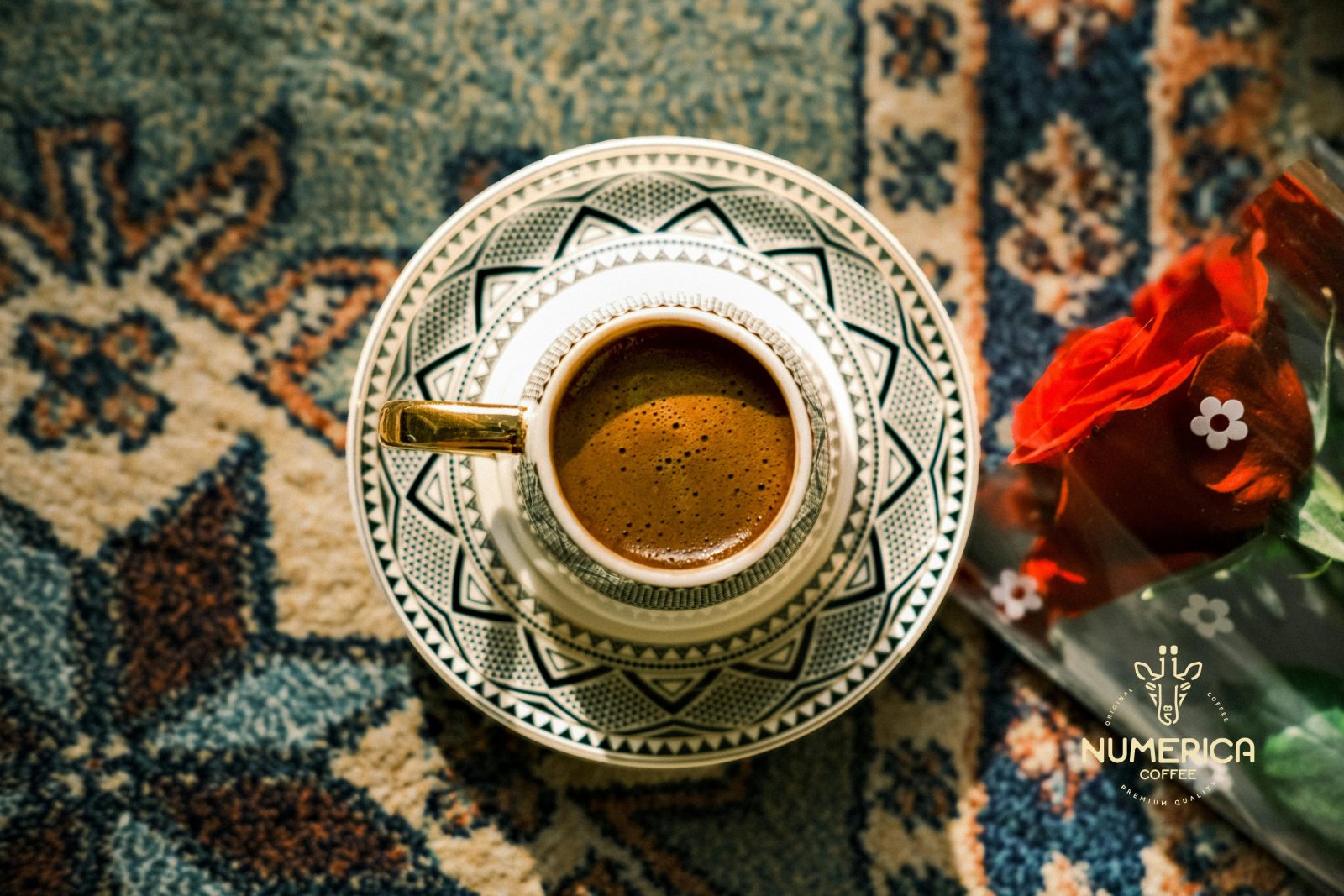
Turkish coffee is nearly the only method in the world where water and coffee grounds are cooked together directly. Coffee ground to a fine powder is heated slowly with cold water in a cezve and gently foamed. The result: dark, unfiltered, thick-crowned, powerfully aromatic. Turkish coffee is not just a drink; it is a social ritual recognised by UNESCO as intangible cultural heritage. 'A single cup of Turkish coffee is remembered for forty years,' the old saying goes — because it is a coffee meant for conversation, for listening, for spending time. It is not fast; it is patient.
Espresso is Italy's early 20th-century invention of modernity. Its very name means 'fast'. A concentrated drink extracted in 25-30 seconds under about 9 bar of pressure from finely ground coffee. Only 25 ml on its own, but every drop is intense enough to reshape a whole day. Italians drink espresso standing up; leaning on the bar counter, drinking it in two minutes and moving on is the classic rhythm. Espresso is a break that doesn't interrupt conversation — a pause that keeps pace with life.
Filter coffee represents the third great world — dominant particularly in America and Northern Europe. Hot water is slowly passed through ground coffee held in a paper filter. The result: a clear, light-bodied drink where the aroma shows itself plainly. Filter coffee is made for a long morning, for reading the paper, for sinking into a book. Where the espresso represents Italian speed, filter represents American slowness.
None of these three is 'better'; the more meaningful question is which is right for you. If you need a short deep pause, espresso; a long unhurried morning, Turkish coffee; a companion while you work, filter. The same bean can be used in all three, but the result is completely different — because the method decides which side of the bean's character comes to the front.
Numerica's portfolio has products suited to all three methods. Medium-dark Brazil blends for Turkish coffee, No.41, No.55 and No.60 for espresso, and Kenya and Colombia single origins for filter. One brand, three different worlds.
The Secret of Morning Coffee: Why Is It So Essential?
If the world looks a little off-kilter when you wake up without your morning coffee, you're not alone. Millions of people beginning their day with coffee is no coincidence — the reason lives deep in both brain chemistry and the human spirit.
Like wine, coffee carries the character of the land it grows on. The same variety, in different soils, tells completely different stories. Here are five of the world's most remarkable coffee regions.
A Brief History of Coffee: From Ethiopia to Europe
The drink that is now a daily ritual for billions was, a thousand years ago, a red berry accidentally discovered by a shepherd in the mountains of Ethiopia. So how did it come to conquer the world?