2026-07-24
7 Factors That Shape Coffee's Aroma
The same Arabica variety, passing through different hands, ends up as completely different cups. Seven main factors shape coffee's aroma between the tree and your cup.
When you walk into a coffee shop, the person behind the counter is usually doing something far more complex than it looks. A good barista dances between being a technical expert, an artist and a host.
Barista
When you walk into a coffee shop, the person behind the counter is usually doing something far more complex than it looks. A good barista dances between being a technical expert, an artist and a host.
The Italian word 'barista' originally meant simply 'someone who works behind the bar counter'; it was first used for barmen who served both drinks and coffee. Over time, and especially with the third wave of coffee, the barista became more than 'someone who serves coffee'; they became specialists with deep coffee knowledge, technical skill and aesthetic sensibility.
A good barista is first and foremost a great observer. The colour of the grounds coming out of the grinder, the evenness of the coffee bed in the portafilter, the colour and speed of the flow during extraction, the crema — all of these tell them what state the coffee is in. An experienced barista often knows what will be in the cup before tasting it. This is intuition earned through thousands of pulls, day after day, year after year.
But technical skill is only one side. A good barista also builds a connection with the guest. What a hurried commuter needs at 8 AM is different from what a solitary reader wants at 2 PM. A barista reads both in a few seconds and offers the right conversation, the right pace and the right energy. Coffee is important, but what makes it a human experience beyond the drink is the barista's personality.
A barista's day starts at 6 or 7 AM. The machine is warmed up, the grinder calibrated, and the grind size adjusted for that day's beans. A barista may recalibrate the grinder over the day as the weather changes — humidity, temperature and even atmospheric pressure affect extraction. This 'dialling in' is perhaps the most subtle work customers never see.
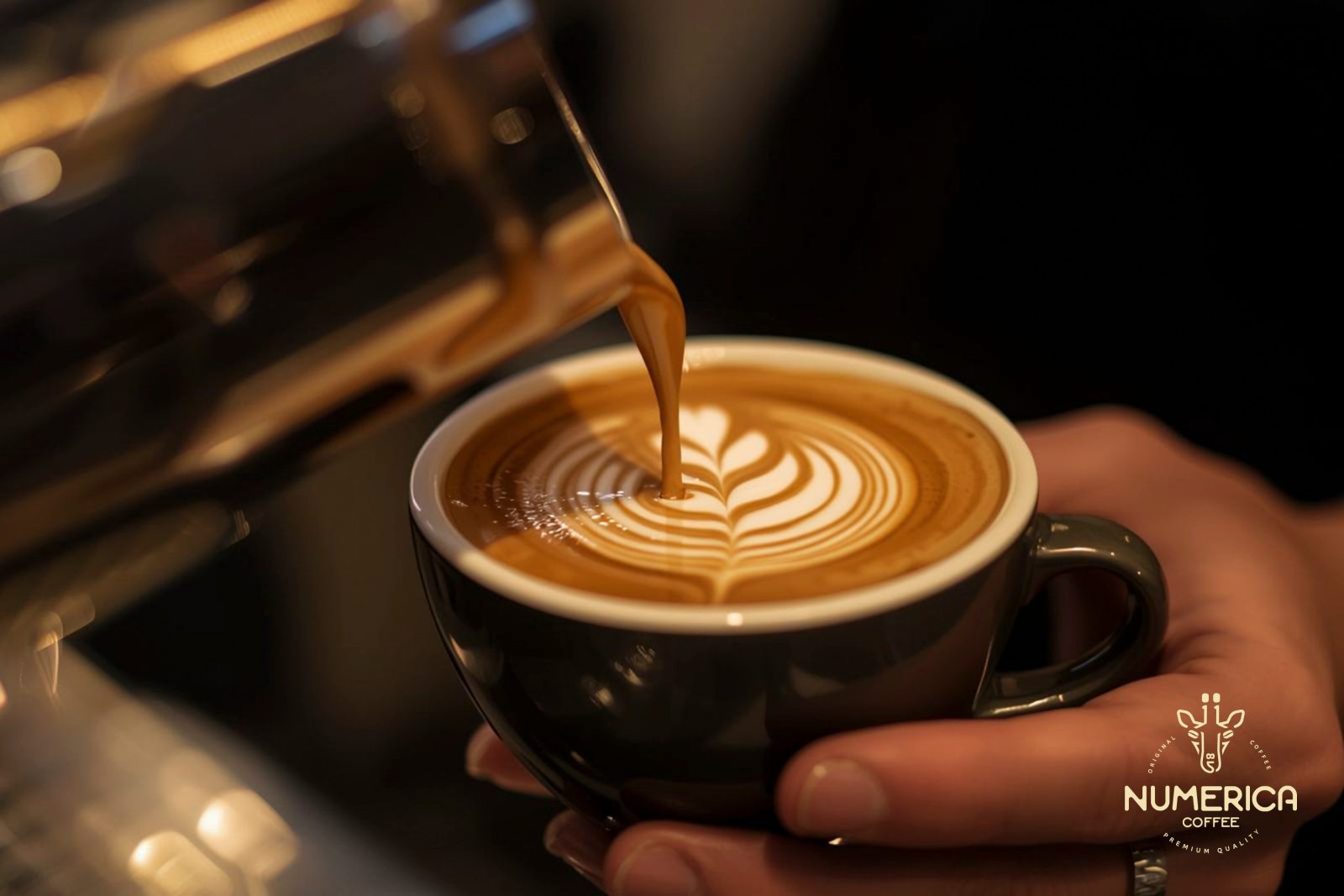
Latte art is probably the most visible side of the barista's craft. Steaming milk to the right texture and pouring it into the espresso at the right angle and speed to form hearts, tulips, rosettas — this is both an aesthetic accomplishment and a technical proof. Good latte art matters not just because it looks lovely but because it proves the milk has the right texture. Bad foam does not draw good patterns.
A barista's role isn't only to make coffee; it is also to tell its story. Saying 'this is Ethiopia Yirgacheffe, prized for its floral notes' turns an ordinary pull into an experience. At Numerica we share not just beans with the cafés we work with, but the stories behind our products, tasting notes and pairing suggestions — because a coffee story told well by a barista turns into a sale.
Next time you walk into a coffee shop, look a little more carefully at the person behind the counter. What they are doing is deeper than it seems.
The same Arabica variety, passing through different hands, ends up as completely different cups. Seven main factors shape coffee's aroma between the tree and your cup.
Long tagged as 'unhealthy', coffee has moved to a very different place in the last twenty years of scientific research. So what does science say about coffee today?
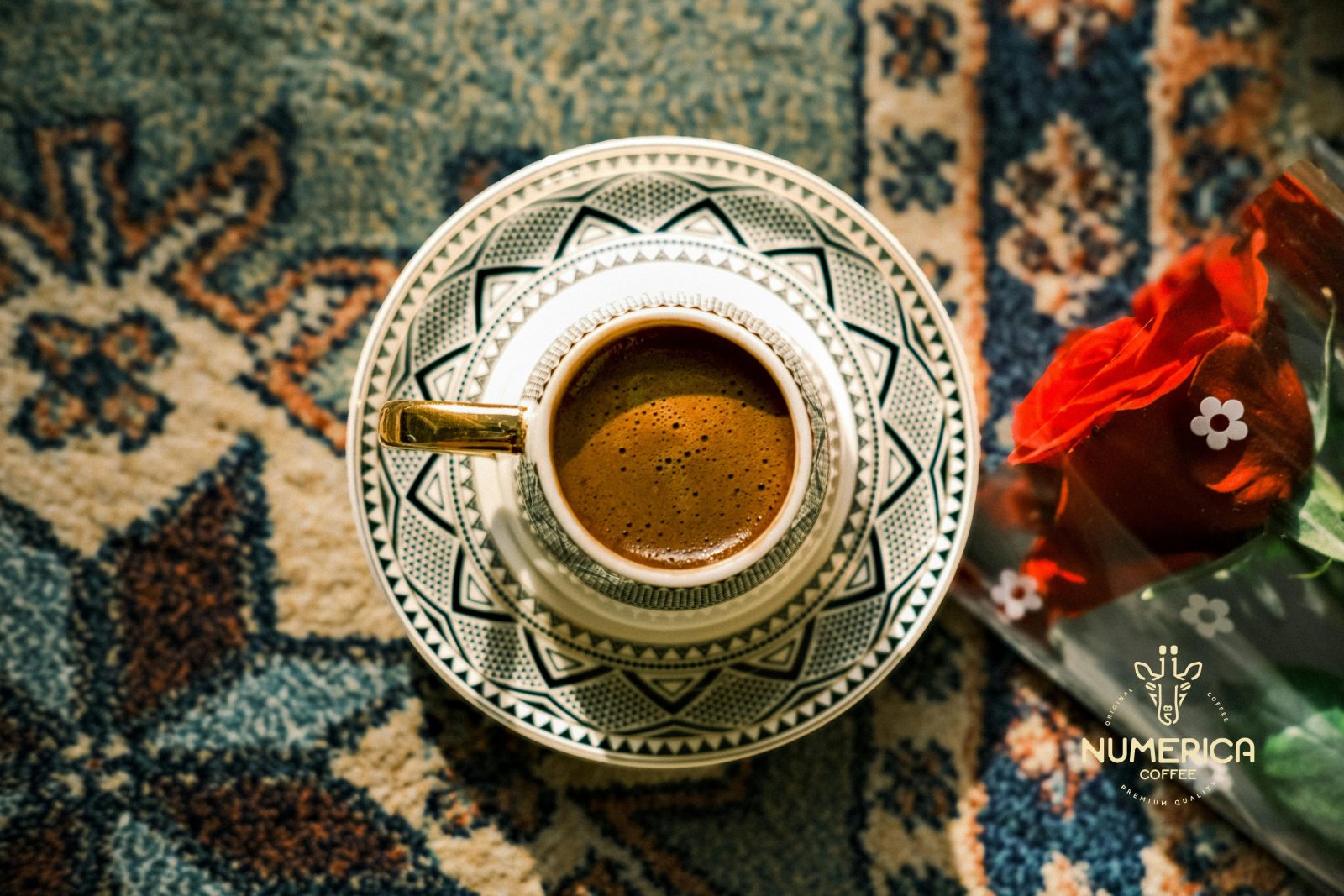
Put the same coffee bean into three different methods and you get three completely different drinks. Turkish coffee, espresso and filter — three worlds apart, three separate cultures.
We use analytics cookies to see which pages are being read. Without your consent we measure only anonymously and without cookies. Privacy statement