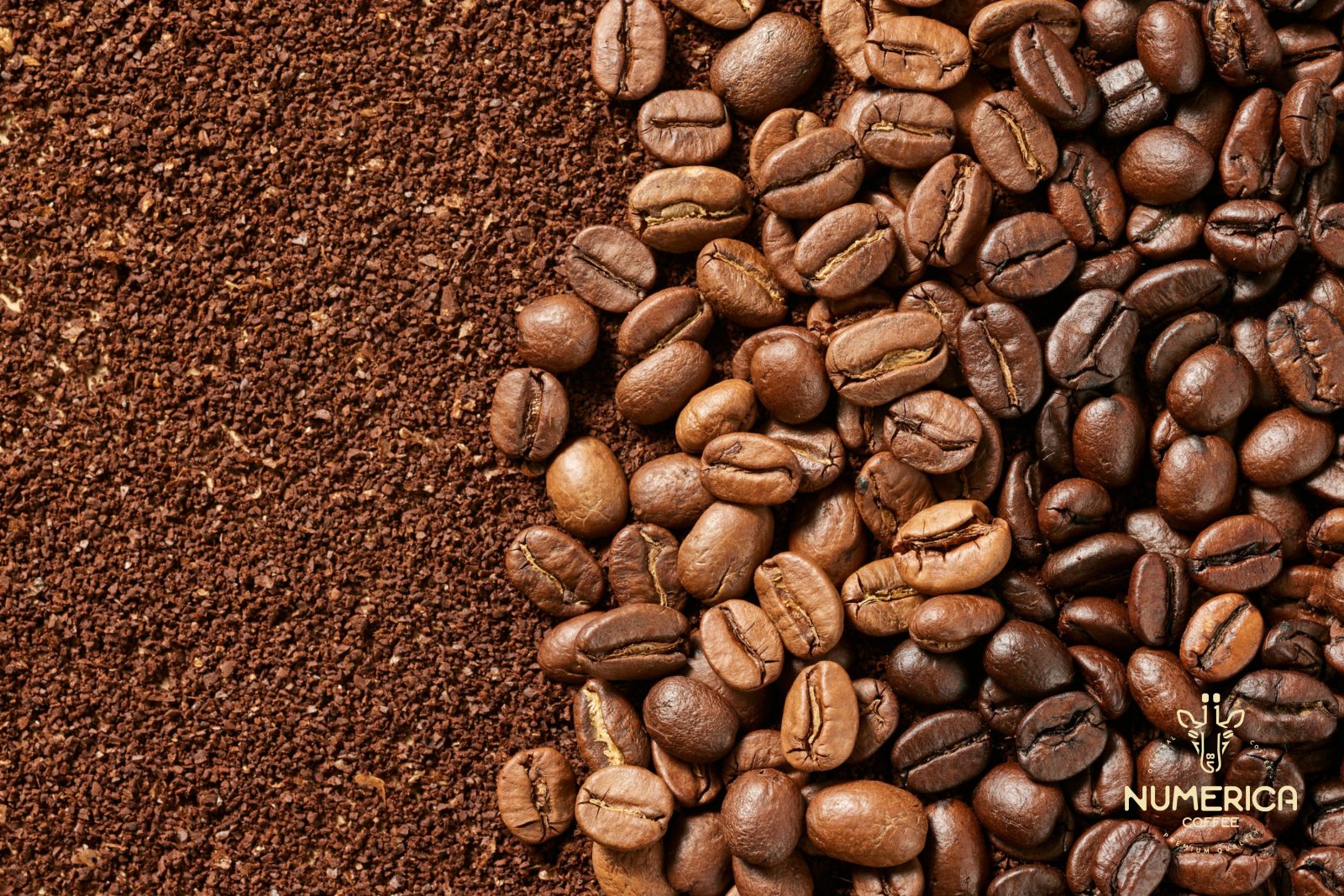
Long tagged as 'unhealthy', coffee has moved to a very different place in the last twenty years of scientific research. So what does science say about coffee today?
Health
Coffee and Health: What the Science Says
Long tagged as 'unhealthy', coffee has moved to a very different place in the last twenty years of scientific research. So what does science say about coffee today?
Coffee is one of the most studied drinks in the world. Long-term studies covering millions of people have looked repeatedly at coffee's health effects. The results are often different from what people expect: strong evidence suggests that moderate coffee consumption (3-4 cups a day) has protective effects against a range of diseases. This does not mean coffee is a 'health miracle' — balance matters.
One of the most solid pieces of scientific evidence is coffee's protective effect on the liver. Coffee drinkers show significantly lower risks of liver cirrhosis, liver cancer and non-alcoholic fatty liver disease. This is linked less to caffeine than to compounds like polyphenols and chlorogenic acid. Coffee drinkers show healthier levels on liver enzyme tests.
The cardiovascular story is more nuanced. Coffee used to be considered bad for the heart because it raises blood pressure; today, however, studies suggest that 3-5 cups of coffee a day reduces the risk of heart disease by about 15%. But for people with high blood pressure or a genetic makeup that metabolises caffeine slowly the picture may look different — coffee may be less helpful for those genes. Knowing yourself matters here.
Perhaps coffee's most striking area is the brain. Long-term coffee drinkers show significantly reduced risks of Alzheimer's and Parkinson's diseases. The neuroprotective effects of caffeine, and the antioxidants in coffee reducing oxidative damage and slowing inflammatory processes, may lie behind this protection. There is also a reduction in depression risk — especially among those drinking 2-4 cups a day.
What should you watch out for? First, timing: coffee drunk after 3 PM can disrupt sleep, since caffeine has a half-life of 5-6 hours. Second, milk and sugar: don't drown the benefits of black coffee in syrups and added sugar. Third, pregnancy: daily caffeine intake during pregnancy should stay below 200 mg (about 1-2 cups). Fourth, individual variation: some people are highly sensitive to caffeine; listen to your body.
At Numerica we treat coffee as a pleasure. But knowing that behind the pleasure there is a scientifically friendly drink can make your morning coffee taste a little better.
Turkish Coffee, Espresso and Filter: Three Different Worlds
Put the same coffee bean into three different methods and you get three completely different drinks. Turkish coffee, espresso and filter — three worlds apart, three separate cultures.
The Secret of Morning Coffee: Why Is It So Essential?
If the world looks a little off-kilter when you wake up without your morning coffee, you're not alone. Millions of people beginning their day with coffee is no coincidence — the reason lives deep in both brain chemistry and the human spirit.
Like wine, coffee carries the character of the land it grows on. The same variety, in different soils, tells completely different stories. Here are five of the world's most remarkable coffee regions.